

The front door. It’s a symbol of home, security, and transition. But for an aging parent or someone with a mobility challenge, that same door can become a daunting barrier—a literal obstacle course of knobs, weight, and clearance. Honestly, it shouldn’t be that way.
Accessibility-focused door modifications aren’t just about compliance with codes. They’re about dignity. They’re about enabling someone to come and go on their own terms, without having to wait for assistance. Let’s dive into the practical, often surprisingly simple, changes that can transform a problematic portal into a gateway of independence.
The Core Challenges: What Makes a Door Difficult?
Before we talk solutions, we need to understand the problems. The main pain points usually boil down to three things: operation, clearance, and threshold.
Operation is about the physical act of opening and closing. A stiff round knob is a nightmare for arthritic hands. A heavy door can feel like pushing a boulder for someone with limited strength. Clearance refers to the space needed to maneuver a wheelchair or walker through the opening—standard doors are often too narrow. And that little bump at the bottom, the threshold? Well, it’s a major tripping hazard and a wheel-stopping bump.
Smart Swaps: Hardware That Makes a Difference
Here’s where we start with the low-hanging fruit. Swapping out hardware is often a quick, cost-effective win.
Lever Handles Over Knobs
This is modification 101. A lever handle allows you to use your elbow, forearm, or even a closed fist to operate it. No more tight gripping or twisting. It’s a simple change with an immediate impact. Look for models with a smooth, ergonomic design.
Automatic Door Operators
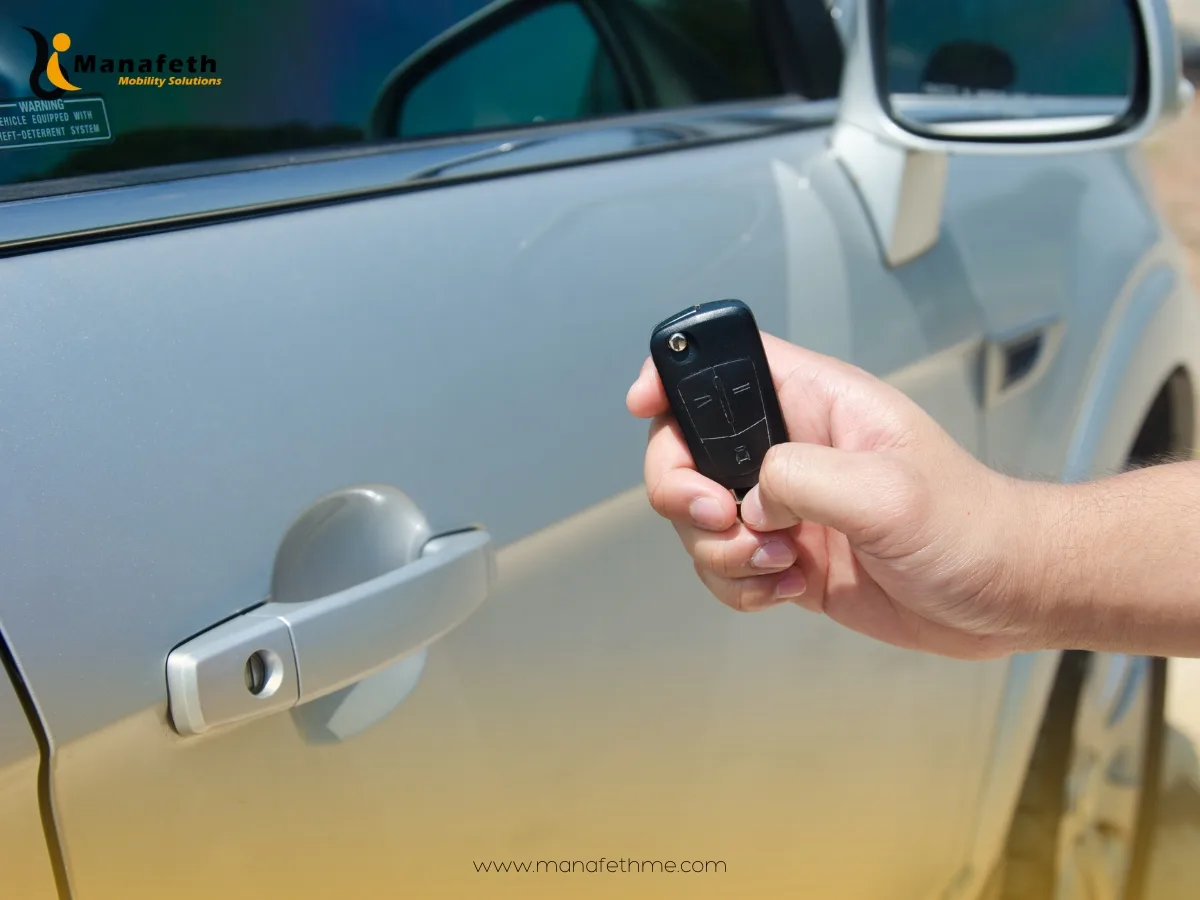
Think of this as the ultimate upgrade. A low-energy automatic opener can be triggered by a button, a key fob, a motion sensor, or even a smartphone. The door swings open smoothly, waits, then closes gently. It’s not just for commercial buildings anymore—residential models are becoming more accessible and can be a game-changer for wheelchair users or those with significant strength limitations.
Widening the Way: Tackling Clearance & Space
If a standard 36-inch door isn’t cutting it, you’ve got options. The goal is a minimum 32-inch clear opening for a wheelchair, but 36 inches is much more comfortable.
- Offset Hinges: These clever hinges, sometimes called swing-clear hinges, allow the door to swing completely clear of the frame opening. It can gain you about 2 inches of clearance without changing the door or frame. A brilliant, low-cost first step.
- Door Replacement: Sometimes, you just need a wider door. Replacing the entire unit with a 42-inch door, for instance, creates a generous opening. This is more involved but offers the most permanent solution.
- Pocket Doors: Ah, the space-saving hero. A pocket door slides into the wall, eliminating the swing arc entirely. This frees up floor space on both sides of the doorway, making navigation for walkers and wheelchairs infinitely easier. Just ensure the hardware is smooth and easy to grip.
Easing the Transition: Thresholds & Flooring
That raised strip of metal or wood is more than an annoyance. It’s a real danger. The fix? A low-profile or zero-threshold transition.
These are ramped or flat strips that create a nearly seamless transition between rooms or to the outside. For exterior doors, this is crucial for weather sealing without creating a barrier. Pair this with non-slip flooring on both sides, and you’ve dramatically reduced the risk of a fall.
The Power of Push & Pull: Managing Door Weight
A heavy solid wood door can be exhausting. Here are a couple of ways to lighten the load, so to speak.
| Solution | How It Helps | Best For |
| Door Closers with Adjustable Force | Lets you dial down the closing power, so the door is easier to pull open and doesn’t slam shut. | Interior & exterior doors with existing closers. |
| Lighter Door Materials | Replacing a solid core door with a hollow-core or composite model reduces weight significantly. | Interior doors where sound insulation isn’t critical. |
| Quality Ball-Bearing Hinges | Reduces friction, making the door swing more smoothly with less effort. | Any door that feels sticky or squeaky. |
Beyond the Physical: Sensory & Cognitive Considerations
Accessibility isn’t just about mobility. For users with low vision or cognitive differences, contrast and clarity are key.
Paint the door frame a color that strongly contrasts with the wall. Use a lever handle that contrasts with the door color. This visual cue makes the doorway easier to locate and operate. For someone with memory impairment, a clearly marked door—perhaps with a familiar symbol or photo—can reduce confusion.
Putting It All Together: A Thoughtful Approach
So, where do you start? Honestly, begin with a conversation. Observe the specific challenges the individual faces. Is it the grip? The weight? The fear of tripping?
Often, a combination of modifications works best. A lever handle plus offset hinges. A zero-threshold with an automatic opener. It’s about creating a system that works as seamlessly as possible. And remember, while DIY is possible for things like hardware swaps, wider modifications often benefit from a professional who understands load-bearing structures and proper installation—because a poorly installed accessible door isn’t accessible at all.
In the end, these modifications whisper a powerful message: “This space is for you.” They move us from simply having a door to having an entrance that welcomes, includes, and empowers. It’s a shift in perspective—from barrier to invitation—that can truly make a house feel like an accessible, independent home.